Bajaj Chetak: Bajaj Chetak rolls on as the electric scooter that’s capturing hearts across India, mixing old-school charm with modern zip that makes city rides feel effortless and green.
In 2026, with fresh tweaks and booming sales, it’s outpacing rivals by delivering real value without the hype.
Families from Punjab to Kerala are ditching petrol woes for this reliable reboot of a national icon.
Roots That Run Deep
Long before electric dreams took over, the Bajaj Chetak ruled Indian roads as the ultimate family scooter, launching in the 1970s under license from Italian maker Lambretta.
Its sturdy metal frame and no-fuss engine meant it handled everything from monsoon slush to overloaded veggie runs, with waitlists hitting years because everyone wanted one.
Bajaj sold millions until the mid-2000s, when sleeker rivals nudged it aside, but the name stayed etched in memories as the scooter that defined generations.
The electric revival hit in 2020, swapping combustion for a quiet hub motor and smart batteries, yet keeping that iconic rounded body and upright stance. By 2025, Bajaj had sold over 250,000 units, grabbing a solid slice of the e-scooter market thanks to widespread service points and prices that didn’t scare off buyers.
Now, early 2026 brings refined Series 35 models, spied with upgrades that promise even smoother urban dominance, proving legends evolve smarter than newcomers.
Punchy Power for Daily Grinds
Every Chetak packs an electric heart with up to 4.2 kW power and 20 Nm torque, hitting 73 kmph tops while surging ahead in traffic without a roar.
Base models like the 2901 carry a 2.9 kWh battery for 123 km IDC range, but top 3501 variants stretch to 3.5 kWh and 153 km—plenty for full days weaving through Mohali markets or Mumbai signals.
Charging takes 3-4 hours to 80%, and with IP67 seals, rain won’t zap your plans.
Riders love the seamless Eco, City, and Sport modes, plus handy reverse gear for parking scraps and hill hold for steep climbs.
Real-world runs clock 100-120 km loaded up, outlasting early EVs that fizzled fast, all from a maintenance-free setup that skips oil changes forever.
It’s the kind of power that feels planted and predictable, perfect for cautious first-timers or loaded grocery hauls.
Looks That Turn Heads
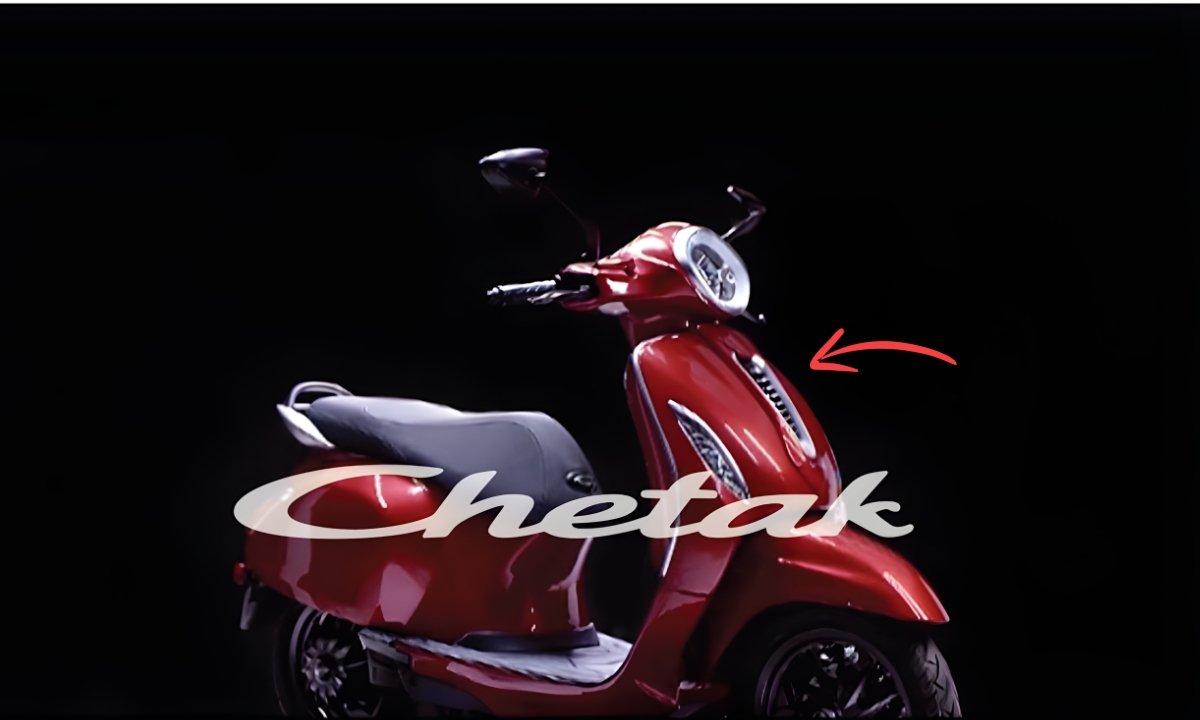
Climb aboard and the Chetak hugs you with a low 760 mm seat, flat floorboard, and 35-liter boot that fits two helmets plus bags—practical magic for Indian life.
That genuine steel body gleams in Brooklyn Black or Indigo Haze, shrugging dents better than plastic pretenders, while LED lamps and sequential indicators add subtle flair.
At 134 kg, it maneuvers light through crowds yet carries two without wobble, on grippy tubeless tires.
Top trims flaunt a crisp TFT screen syncing calls, nav, and theft alerts via app, with USB charging and guide-me-home beams for night safety.
Owners call it “premium without pretension”—soft seats for long hauls, chrome accents nodding to the past, and a ride that draws smiles from uncles reminiscing ’80s spins. In a sea of angular EVs, Chetak’s curves feel welcoming, like a trusted neighbor.
Smart Pricing Wins Crowds
Entry at ₹1 lakh ex-showroom for base 2901, scaling to ₹1.35 lakh for fully loaded 3501, keeps Chetak in reach post-subsidies—on-road around ₹1.1-1.45 lakh with easy EMIs from ₹2,700 monthly.
TecPac add-on unlocks extras for pennies, and Bajaj’s 3,900 outlets mean test rides everywhere from small towns to big cities. It’s priced to undercut Ather’s flash or Ola’s sprawl, offering metal toughness over fragile composites.
Mid-2026 deals layer on free accessories, making it a steal for budget families eyeing ₹1.2 lakh sweet spots like the 3503 with 151 km range.
Bajaj’s network crushes rivals in service speed, turning skeptics into fans who save thousands yearly on fuel. Value like this echoes the original Chetak’s mass magic.
Owner Tales Light Up Forums
Delhi commuters swear by zero vibes for 50 km offices, Pune parents praise kid-friendly storage and silence, and one Mohali rider notes, “Battery holds steady after a year, no drama like Ola’s glitches.
” Service shines too—quick swaps, solid warranty up to 50,000 km—while minor gripes like drum brake fade get patched fast. Sales hit 35,000 monthly by late 2025, Bajaj climbing to top-three status amid 11% e-2W growth.
Real tests laud pothole-proofing and family comfort, with apps alerting low charge before panic sets in. It’s the everyday hero saving pockets and planet without fanfare.
Rivals Feel the Heat
Against Ather 450X’s sporty zip or TVS iQube’s homey feel, Chetak leads in storage, steel durability, and nationwide reach—Ola wins cheap range boasts but stumbles on build gripes.
At 73 kmph and 153 km, it covers most needs cheaper, with features like reverse that others chase. Bajaj’s service edge seals it for non-metro folks.
Also Read This : OnePlus Nord CE 3 Lite 5G Display is 4K and Curved with 16GB RAM – Camera is 250MP
Bajaj Chetak Horizon Glows Bright
January 2026 unveils a sharper Chetak with potential disc brakes, quicker charges, and 25% market push—Bajaj betting big on India’s EV boom.
Over 350,000 owners strong, it’s reshaping streets with reliable green rides that honor the past. Chetak isn’t following; it’s leading the charge.